June 17, 2025 · 35 min read · AI & Digital Transformation
Short on time? Read the condensed executive briefing instead.
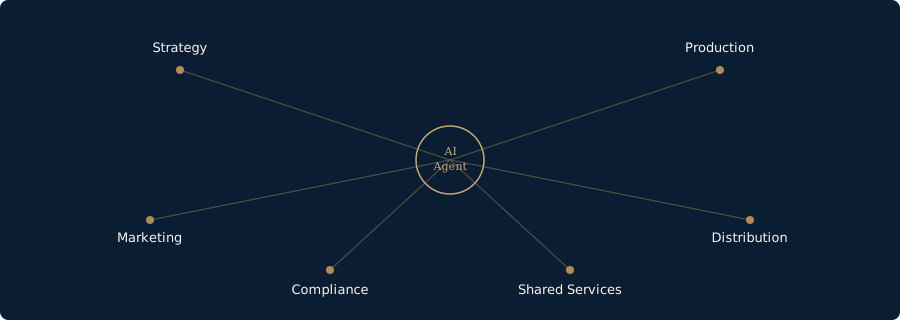
Read the Executive SummaryThe media and entertainment industry is undergoing a profound transformation, driven by the rise of artificial intelligence (AI). At the heart of this shift is the emergence of AI agents, intelligent, adaptive systems capable of collaborating across creative, technical, and operational domains. These agents go far beyond traditional automation. They execute complex tasks, deliver contextual recommendations, learn from outcomes, and orchestrate decisions across departments and disciplines. Unlike isolated AI tools focused on narrow functions, AI agents operate across the full content value chain, linking editorial, production, post-production, marketing, distribution, business services, and compliance into a single, integrated ecosystem.
This evolution redefines the way studios and content producers work, empowering them to create faster, scale globally, adapt to real-time market signals, and unlock deeper personalization and creative potential. From concept to camera, and from compliance to cloud distribution, AI agents are becoming essential collaborators in delivering more intelligent, responsive, and cost-effective content experiences.
This article explores how AI is not just supporting but fundamentally reshaping how media content is developed, produced, managed, marketed, and monetized in an increasingly complex, data-driven world.
Understanding the Impact of AI Across the Media Content Lifecycle
To fully grasp the transformative role of AI agents, this article presents a stage-by-stage analysis of the modern media content supply chain. Each section focuses on a specific phase or sub-stage, from creative development and production planning to post-production, sales, distribution, audience engagement, business shared services, and compliance governance.
In each section, we examine:
- How AI technologies and agents are applied across creative, technical, operational, and financial layers
- The specific tasks, workflows, and decisions they enhance or automate
- The challenges, risks, and ethical considerations they introduce
- The real-world impact and benefits, supported by global case studies and industry examples
As this transformation unfolds, one foundational insight emerges: while AI technologies offer powerful capabilities, the real value is only unlocked when systems, processes, people, and data are aligned. AI agents must operate within a unified governance and integration framework to avoid creating silos or inefficiencies. This article therefore not only showcases the promise of AI but also emphasizes the importance of end-to-end system orchestration, ensuring content, technology, data, and finance move in concert toward strategic outcomes.
Content Strategy and Ideation
Harnessing AI to Decode Audiences, Spot Trends, and Build Commercially Viable Story Foundations
AI now plays a foundational role in shaping the strategic direction of content development long before a script is written, from trend forecasting to narrative generation and market fit validation, reducing creative guesswork and enabling more data-informed greenlighting decisions.
With the explosion of content formats, genres, and platforms, strategic ideation is no longer based solely on instinct. It is informed by massive datasets, predictive algorithms, and cultural analytics engines.
1.1 Audience & Trend Intelligence
AI models analyze large datasets across platforms (YouTube, TikTok, X, Instagram, Reddit, SVODs, AVODs) to detect:
- Genre surges and cultural moments
- Viral formats and storytelling structures
- Sentiment dynamics and viewer fatigue thresholds
Tools like Crimson Hexagon, Talkwalker, and Brandwatch extract insights such as:
- Preferred storytelling formats (e.g., docuseries vs. fiction)
- Emotionally resonant themes (e.g., nostalgia, justice, empowerment)
- Audience fatigue or saturation points on specific genres
- Demand spikes in docuseries or reality formats
This allows studios to ride or avoid genre saturation waves and align pipelines with emerging emotional and cultural patterns.
1.2 Audience Segmentation & Platform Fit Optimization
Through machine learning and predictive algorithms, AI systems map out psychographic and behavioral audience profiles across regions, analyzing how factors like age, gender, lifestyle, content preferences, and time-of-day habits influence platform usage and engagement patterns. This enables studios to make more accurate targeting decisions and optimize release strategies across markets and platforms.
AI supports decision-making by:
- Recommending optimal market entries based on regional consumption trends, genre saturation, and platform popularity (e.g., short-form thrives in MENA on YouTube and TikTok, while premium drama performs better on Netflix or Shahid VIP)
- Informing platform fit and windowing strategies by simulating performance across SVOD, AVOD, FAST, and linear channels, guiding whether to pursue exclusivity, tiered rollouts, or simultaneous global releases
Example: An AI model may suggest launching a youth-focused mini-series with short episodes on YouTube in the MENA region to maximize engagement, while recommending a historical drama for a premium SVOD debut on Shahid VIP or Netflix. It might also advise building early buzz for a sports documentary through YouTube before shifting it to monetized release on a premium SVOD platform in English-speaking territories.
1.3 Revenue Forecasting & Monetization Modeling
Before greenlighting a project, AI systems simulate the full financial lifecycle of content by modeling expected performance across monetization channels, including:
- SVOD (Subscription Video on Demand) retention and acquisition impact
- AVOD (Ad-supported Video on Demand) click-through rates and CPM forecasts
- FAST (Free Ad-Supported Streaming TV) viewership projections
- Regional distribution and licensing income
- Merchandising potential
- Sensitivity to platform churn and retention dynamics
By combining historical performance benchmarks, audience behavior analytics, and accurate cost estimates (production and marketing), AI forecasts gross margin contribution and overall ROI, empowering decision-makers to prioritize commercially viable, high-yield projects from the outset.
AI also enhances windowing strategy by analyzing:
- Viewer engagement timing by region
- Platform-specific decay curves
- Competitive release patterns
These insights guide phased rollouts, buzz-building tactics, and market-specific distribution strategies to maximize revenue capture and content lifespan.
1.4 Continuous Market Monitoring & Strategic Adjustment
AI agents operate in real time, constantly assessing content ecosystem shifts and monitoring viewer behavior and competitor content, offering ongoing guidance for portfolio strategy. This enables:
- Real-time genre saturation alerts
- Regional content demand heatmaps
- Identifying under-served genres or audiences
- Reallocating marketing focus dynamically
- Informing commissioning decisions mid-cycle
- Gap analysis within a studio's offering versus market appetite
This intelligence supports not just what to create, but when and for whom. Studios become more responsive to market volatility and trend pivots.
Real-World Examples
Netflix famously uses its data-driven greenlighting model, which combines viewer habits, retention data, and engagement signals with AI-powered forecasting to identify which scripts to back. The success of House of Cards was influenced by predictive signals indicating strong crossover appeal between fans of the original UK series, actor Kevin Spacey, and director David Fincher. AI surfaced the connection before human executives could.
More recently, Amazon Studios has leveraged audience behavior analytics and AI-driven genre modeling to greenlight projects like Reacher and The Peripheral. Both titles were chosen not only for their source material popularity but also because predictive models identified strong alignment with Prime Video's existing audience clusters, particularly those engaging with high-stakes, character-driven thrillers and speculative fiction. These data-informed bets helped Amazon secure global viewership boosts and strengthen its genre portfolio.
Challenges & Considerations
- Data Quality & Bias: AI relies heavily on historical data that may not reflect emerging shifts or niche audiences. Over-reliance can stifle innovative storytelling.
- Creative Resistance: Some creators may resist data-driven input, viewing it as a constraint on originality or storytelling risk.
- Infrastructure Gaps: Smaller production companies or regional markets may lack access to powerful predictive platforms or clean data.
- Privacy & Ethics: Mining behavioral data raises ethical questions around consent and content manipulation.
Impact
AI strengthens the link between creative vision and commercial viability. It reduces the risk of failed pilots or low-performing series, increases the efficiency of development pipelines, and improves alignment between audience demand and commissioned titles, while preserving space for human creativity and editorial instinct.
By merging audience intelligence with financial forecasting, AI redefines what it means to develop market-ready content, minimizing guesswork and elevating both creative and commercial outcomes.
Creative Assessment
Blending Human Creativity with AI-Driven Validation to Enhance Story Potential and Reduce Risk
Once the strategic direction is defined, AI tools play a pivotal role in refining creative concepts, ensuring narrative alignment with audience expectations and commercial viability.
2.1 Narrative Generation & Brainstorming Support
AI agents and generative platforms such as GPT-4, Jasper, Sudowrite, and Writer.ai empower creative teams by:
- Generating multiple synopsis drafts and world-building ideas
- Proposing pacing structures and episode outlines
- Offering genre-aligned character arcs
- Supporting scriptwriters with dynamic prompts and dialogue variations
- Stimulating alternative endings, branching plotlines, and story developments
These tools do not replace the writers' room but accelerate early brainstorming and content mapping, helping unlock creative blocks and amplify ideation.
2.2 Concept Assessment, Validation & Greenlighting
AI-driven tools evaluate creative quality and market fit by:
- Benchmarking new concepts against success patterns of existing IPs
- Scoring narrative elements (emotional arcs, conflict depth) using historical audience data
- Assessing script drafts for tone, pace, diversity, and complexity
- Suggesting potential casting fits and production budget considerations
Platforms like Cinelytic, StoryFit, and ScriptBook provide predictive ratings on commercial potential, enabling more informed greenlighting decisions and reducing costly development risks.
2.3 Creative Risk Assessment
- AI evaluates the balance between originality and familiarity, ensuring content is innovative yet accessible.
- Predicts potential controversy, cultural sensitivity, and legal challenges across different markets.
- Offers early feedback loops to refine concepts prior to full scripting or pilot production.
Real-World Examples
Amazon Studios leveraged data-driven insights to greenlight series such as Reacher and The Peripheral, combining AI analysis with creative judgment to identify high-potential stories aligned with audience interests.
Challenges & Considerations
- Bias Risk: AI can perpetuate popular tropes and historical biases embedded in training data, possibly overlooking fresh, unconventional ideas.
- Creative Autonomy: Excessive reliance on AI insights might stifle creative risk-taking, causing concern among writers that originality may be compromised.
- Access Inequity: Smaller creators and production houses may face barriers due to costs or lack of technical expertise to leverage advanced AI tools.
Impact
AI-powered creative assessment boosts development efficiency by reducing costly missteps through early detection of misaligned concepts, accelerating script development and pitch refinement, and aligning story potential with measurable market demand.
This synergy allows creators to fail fast, pivot swiftly, and invest wisely, all while preserving the essential space for human intuition, vision, and artistic expression.
Pre-Production
Bridging Creative Vision and Operational Execution through AI-Driven Precision
AI plays a transformative role in streamlining and enhancing the pre-production phase, acting as a bridge between creative ambition and practical execution. By reducing guesswork and improving decision-making, AI helps production teams mitigate risks, optimize resources, and lay a more efficient foundation for execution.
3.1 Script Breakdown & Budget Forecasting
AI tools like RivetAI, Cinelytic, and Scenebot automate the breakdown of scripts into production components, scenes, characters, locations, props, and technical requirements. These systems:
- Flag production complexity and bottlenecks early
- Generate preliminary budget forecasts based on scene density and resource intensity
- Enable feasibility assessments before committing to full-scale development
This accelerates early planning while giving producers a cost-reality check during the creative refinement phase.
3.2 Data-Driven Casting Intelligence
Machine learning models analyze past audience reactions, box office correlations, genre-cast patterns, and social media engagement to suggest casting options based on role fit and on-screen chemistry, cross-market appeal and recognition, and regional audience familiarity and resonance. This augments traditional casting calls with predictive insight, aligning artistic vision with market viability.
3.3 Virtual Location Scouting & Scene Simulation
Computer vision and virtual production platforms (e.g., Cuebric, Filmustage, Arraiy) now offer digital alternatives to location scouting and visualization, enabling AI-assisted environment matching and 3D previews, scene blocking and virtual lighting plans, and weather-aware and sustainability-optimized location selection. This significantly reduces time, cost, and environmental impact, while improving visual planning precision, especially in remote or hard-to-access regions.
3.4 Integrated Production Feasibility Modeling
AI-powered platforms consolidate creative, logistical, and financial parameters into dynamic production models that evaluate schedule feasibility and resource alignment, ROI projections based on cast, location, and genre, and real-time budgetary trade-offs. These systems serve as decision engines, balancing ambition with practical constraints.
3.5 Intelligent Scheduling & Contingency Planning
AI assistants function like virtual line producers, using real-time data to adjust shooting sequences based on weather, daylight, or availability, contingency plans around talent delays, location shifts, or equipment issues, and budget reallocation based on evolving variables. This adaptive planning model reduces costly downtime and enhances production resilience under pressure.
Real-World Examples
Warner Bros. partnered with Cinelytic to assess script value, project cast-related revenue, and forecast global performance, allowing faster greenlighting and risk mitigation. Amazon Studios used data analytics in greenlighting Reacher, identifying an underserved appetite for grounded action heroes, while ensuring the lead actor resonated with international audiences.
Challenges & Considerations
- Human judgment remains essential: AI cannot replace intuition in areas like casting chemistry, tone, or nuanced storytelling decisions.
- Bias and homogeneity risk: AI systems trained on past data may favor conventional choices, limiting innovation or diversity.
- Adoption barriers: Smaller or regional production houses may lack the infrastructure or training to benefit fully from these tools.
- Integration hurdles: Ensuring smooth collaboration between human teams and AI platforms requires change management and digital literacy.
Impact
AI in pre-production drives a smarter, faster, and more cost-effective planning process. By front-loading insights and automating complex planning variables, it minimizes friction during shooting and maximizes the chances of on-time, on-budget delivery, without sacrificing creative flexibility.
Production
Merging Real-Time Intelligence to Streamline On-Set Execution, Editorial Automation, and Raise Production Value
AI is reshaping the entire production stage of the content lifecycle, across on-set execution, editorial operations, technical logistics, post-production finishing, and production business support back office, bridging the gap between creative ambition and precise execution. By merging real-time analytics, automation, and predictive systems, AI enables faster, smarter, and higher-quality production at scale. This includes not only scripted and unscripted shooting but also newsroom operations, resource optimization, and post-processing enhancements.
4.1 On-Set Production Technologies
Merging AI with physical production empowers crews to operate with precision, agility, and reduced error. From lighting to logistics, production becomes more efficient without compromising artistic integrity.
Real-time scene analysis systems (e.g., Cortex by GrayMeta) analyze camera feeds to flag continuity issues, framing inconsistencies, and lighting mismatches, recommending alternate shots and corrective lighting while flagging script deviations. This minimizes the risk of reshoots and accelerates decision-making on set.

AI-powered virtual production platforms like Unreal Engine, Disguise, and NVIDIA Omniverse enable seamless blending of physical and virtual elements, extending dynamic sets digitally, reducing reliance on green screens, and lowering the cost and complexity of shooting on location.
Smart autonomous camera and audio systems (e.g., Sony's Cinema Line, DJI Ronin 4D) auto-adjust framing, focus, and exposure, track movement dynamically, and balance audio levels in multi-source setups, delivering consistency across takes with fewer manual interventions.
AI-equipped drones and robotic cinematography rigs (e.g., Motorized Precision, Artemis AI) enable precision camera moves with real-time path correction and repeatable shots without cranes or dolly systems, bringing cinematic fluidity to even low-budget or tight-schedule productions.
Smart lighting and environment control systems (e.g., Arri Orbiter with AI presets, Disguise xR workflows) adapt intensity and color temperature automatically, match lighting to emotional tone, and synchronize with virtual environments, ensuring visual consistency while reducing setup time.
Automated scheduling tools like Scenechronize or StudioBinder AI plugins streamline call sheet optimization, crew shifts, and real-time updates for weather delays or technical issues, enhancing on-set coordination and reducing human error.
Real-World Examples
Disney's The Mandalorian used StageCraft by ILM, integrating Unreal Engine with real-time AI enhancements to project 3D environments on massive LED walls, optimizing lighting and parallax in real time and cutting down on travel and post-production VFX. Amazon Studios adopted real-time production tracking and virtual set enhancements for The Rings of Power, using AI to monitor continuity, manage complex battle scenes, and adjust lighting based on camera metadata.
Challenges & Considerations
- High capital requirements for LED volumes, robotic rigs, and AI-integrated gear.
- Training curve for crews adapting to new workflows, technologies, and systems.
- Technical reliability is critical, as any lag or errors in real time can disrupt filming.
- Creative resistance from directors who prefer traditional framing and lighting autonomy.
Impact
AI on set increases shoot efficiency, enhances safety, minimizes reshoots, and empowers directors with instant creative feedback. It allows for complex, cinematic visuals within tighter budgets and timelines, particularly impactful in hybrid or virtual production settings.
4.2 Newsroom & Editorial Automation
AI is transforming how newsrooms operate, scaling real-time coverage, increasing output, and enhancing journalistic quality while reducing turnaround time and operational strain.
Automated reporting tools ingest structured data such as financial statements, sports scores, and stock fluctuations to generate immediate, readable reports. Bloomberg's Cyborg writes thousands of earnings reports per quarter within seconds of data release, and generative models auto-generate sports recaps, election coverage, and market summaries, freeing journalists to focus on analysis and human context.
NLP-powered editorial review agents recommend tone and clarity enhancements, flag emotionally charged or politically slanted language to support neutrality, and check grammar, syntax, and readability in real time, upholding editorial standards at speed, particularly for multilingual or high-volume newsrooms.
News curation and fact-checking systems continuously scrape, cluster, and validate content, identifying emerging stories, ranking sources by reliability, and using AI-powered fact-checking tools to vet information before publication.
Smart content tagging assigns intelligent metadata based on entities, topics, sentiment, and geolocation, fuelling recommendation engines, paywall strategies, and hyper-personalized publishing across owned platforms and syndication partners.
Real-World Examples
Reuters and Associated Press use AI to generate corporate earnings summaries and sports highlights. The Washington Post's Heliograf covers elections, high school sports, and Olympics coverage automatically, freeing reporters to cover deeper human-interest angles.
Challenges & Considerations
- Bias and factual error risks from unchecked generative models require strong editorial oversight.
- Ensuring transparency and disclosure when using AI-generated content is essential for credibility.
- Human judgment remains critical for contextual nuance, ethics, and narrative framing.
Impact
AI enhances newsroom scalability, accelerates coverage, and maintains editorial integrity under deadline pressure. It enables media organizations to deliver real-time, personalized, and credible news at unprecedented speed and efficiency, empowering journalists rather than replacing them.
4.3 Technical Resource Management & Equipment Optimization
Leveraging AI to Maximize Equipment Performance, Facility Utilization, and Operational Agility
AI is transforming the back end of production by optimizing how technical resources, including equipment, studios, infrastructure, and facilities, are planned, deployed, maintained, and budgeted. These advancements drive cost efficiency, ensure equipment longevity, streamline facility usage, and align technical operations with creative and commercial needs.
AI-driven scheduling engines (e.g., Movidiam, StudioBinder AI) recommend optimal deployment of equipment, studio space, and technical facilities by analyzing scene complexity, cross-production gear availability, historical asset performance, and studio usage forecasts, minimizing idle time and enhancing utilization of internal studios and stages.
Predictive maintenance platforms (e.g., IBM Maximo, GE Asset Performance Management) track usage, wear, and environmental conditions across high-value gear to flag anomalies before failure and schedule proactive service, while also informing smarter CapEx versus OpEx decisions on when to buy versus rent equipment.
Real-time inventory systems (e.g., Cheqroom, Zebra Technologies, IoT-based RFID trackers) provide centralized dashboards monitoring asset status and geolocation, automating check-in and check-out, and preventing gear loss, theft, or cross-production conflicts across multi-location shoots.
Automated on-set configuration systems adjust lighting, cameras, and other gear based on scene metadata, while also supporting energy efficiency through intelligent load balancing, real-time power monitoring, and carbon tracking for green production certification.
AI-assisted logistics planning tailors gear loadouts to location conditions, avoids redundancy across regional units, and recommends optimal transport paths, reducing shipping overhead for international productions.
Real-World Examples
Netflix implemented an integrated AI-based asset management system that coordinates technical asset availability, predictive maintenance, and facility usage across its global production hubs, flagging cameras for recalibration based on cumulative shoot hours and environmental exposure.
Challenges & Considerations
- Integration complexity: Many legacy systems or spreadsheets lack compatibility with AI systems, requiring infrastructure upgrades.
- Data accuracy dependency: Poor metadata undermines algorithm reliability.
- Cost barriers: High-end solutions may be inaccessible to smaller producers without pooled infrastructure.
- Training gap: Crew and coordinators must trust, interpret, and effectively act on AI-generated logistics insights.
Impact
AI delivers unprecedented visibility and control over high-value technical resources, whether gear, studio space, or mobile infrastructure, reducing downtime and misallocation, enhancing cross-project resource sharing, optimizing facility scheduling, and supporting agile decisions across creative, technical, and financial teams. In fast-paced, multi-unit productions, this means leaner operations, smarter investments, and stronger delivery precision.
4.4 Post-Production
Reimagining Editing, Localization, and Finishing through AI-Powered Precision and Scale
AI is transforming post-production into an intelligent, semi-automated process, driving faster delivery, multilingual reach, and creative enhancement. From raw footage to final master, AI streamlines editing, localization, asset management, and finishing, all while integrating seamlessly across platforms and workflows.
AI-assisted editing platforms like Adobe Sensei, Blackmagic DaVinci Resolve, and Runway ML analyze raw footage to identify shots, propose cuts, and sequence scenes, while script-based editing tools allow cutting and arranging footage by text input, and emotion-aware systems recommend contextual B-roll and transitions.
Audio enhancement tools such as Descript, Cleanvoice AI, and Adobe Podcast improve clarity and consistency, while voice synthesis and localization platforms like ElevenLabs, Papercup, and Deepdub generate realistic dubbed voices across languages, preserving emotional fidelity for global releases.
AI accelerates traditionally time-consuming visual effects work: platforms like Wonder Studio, Autodesk Flame, and Runway perform rotoscoping, facial replacement, and motion tracking, while synthetic actor tools from Synthesia and Hour One enable digital reshoots or virtual cameos without logistical overhead.
Adaptive revision tools adjust pacing and shot duration based on platform-specific consumption trends, and NLP-driven tools generate subtitles, suggest dialogue edits, and flag narrative inconsistencies.
Metadata tagging and rights management platforms such as GrayMeta and Veritone tag metadata, monitor rights usage, and track versioning, helping navigate licensing windows and IP protection across territories, a topic we explore further in section seven.
AI also supports resource planning across post-production infrastructure: dynamic facility scheduling allocates editing bays, color grading suites, and rendering farms based on workflow demand, while cost optimization tools monitor bandwidth and compute load to balance cloud versus on-premises use and inform buy-versus-rent decisions on software and hardware.
Real-World Examples
Netflix integrates AI across its post-production pipeline, including script-to-edit alignment, metadata tagging of its content library, and real-time multilingual dubbing for titles like Narcos, significantly reducing turnaround times while maintaining creative fidelity across regions.
Challenges & Considerations
- Infrastructure and connectivity gaps: high compute demands require robust cloud infrastructure and bandwidth.
- Job displacement concerns: editors, sound designers, and translators may fear automation, making change management and upskilling critical.
- Legal and regulatory risk: voice cloning and synthetic actor use introduce IP ownership and personality rights issues, and multilingual dubbing must align with territory-specific legal frameworks.
- Data quality dependency: inaccurate tagging or mismatched dubs can introduce compliance risks or erode quality.
Impact
AI in post-production cuts delivery times significantly, enables global multilingual distribution, enhances quality with automated precision, and optimizes infrastructure and technical resources. Most importantly, it allows human creatives to focus on higher-value storytelling, reinforcing AI as a partner in expression, not a replacement.
4.5 Production Business Shared Services
Enabling Intelligent Back-End Systems for Smarter, Leaner Productions
Behind every creative production is a complex network of business functions that enable it, from procurement and legal to finance and HR. These shared services play a critical role in ensuring the operational and financial health of a production. AI is now revolutionizing these back-end functions by automating routine processes, detecting anomalies, streamlining workflows, and improving decision-making, resulting in cost savings, reduced risk, and improved efficiency.
4.5.1 Production Procurement
AI-Driven Sourcing, Vendor Management, and Spend Optimization
Procurement in media production involves sourcing specialized equipment, services such as VFX, post and catering, locations, talent contracts, props, and more, often across tight schedules and shifting creative requirements. AI platforms (e.g., SAP Ariba with AI extensions, Fairmarkit, TealBook) automate vendor evaluation and shortlisting by analyzing past performance and delivery timeliness, and using NLP to score proposal content and compliance history, speeding up RFP and RFQ cycles.
Dynamic price prediction models forecast cost fluctuations for rentals, locations, or talent based on seasonality and demand surges, while budget simulators suggest optimized vendor mixes to stay within financial limits. Smart contracting tools detect red flags in supplier contracts and cross-reference clauses against compliance standards and prior case law.
Real-time procurement dashboards (e.g., Coupa AI) monitor spending across departments, alert on duplicate purchases or unauthorized spend, and suggest volume consolidation. AI agents integrated into production tools like Scenechronize and Yamdu auto-generate purchase requisitions based on scene needs, matching demand to inventory and triggering procurement only for genuine gaps.
Real-World Examples
NBCUniversal's centralized procurement platform leverages AI to auto-classify production spend, recommend cost-saving alternatives, and maintain preferred vendor pools across multiple shows and studios, reducing procurement cycle time by over 30 percent.
4.5.2 Production Finance
AI-Powered Financial Management and Budget Governance: Enabling Predictive Planning, Operational Control, and Strategic Agility
In the high-stakes world of media production, where budgets are complex and constantly shifting, AI technologies, particularly when integrated with enterprise resource planning systems like Oracle or SAP, or production accounting platforms such as GreenSlate and Media Services, are redefining financial management. AI agents transform the traditional finance office into a responsive, data-driven command center that empowers production and finance teams with real-time oversight, predictive analytics, and adaptive planning.
AI agents analyze historical production data, cost drivers, and real-time project dynamics to produce more accurate, dynamic budgets, proactively adjusting financial plans in response to shifts in casting, schedules, market conditions, or vendor costs, and flagging early indicators of potential overruns with suggested reallocations.
Integrated with ERP systems, AI monitors spend in real time at the scene, department, or vendor level, immediately identifying deviations from the approved budget and recommending mitigation such as vendor renegotiation or resource shifting.
Cash flow forecasting models predict trends across the production timeline, anticipating when revenue from licensing or content sales will land versus when expenses will spike, and suggesting mitigation such as cutting non-essential spend or securing short-term funding.
Managing content costs across in-house productions, co-productions, and fully acquired titles is an ongoing challenge. AI agents integrated into financial systems automate and optimize cost allocation across content streams, including production, acquisition, sports, and news, by analyzing historical budget data, genre performance, talent and location costs, and content lifecycle. For production, AI forecasts budgets based on complexity and resource needs to prevent overruns; for acquisition, it evaluates licensing trends to recommend optimal pricing; for sports and events, it assesses contract history and viewership forecasts to align investment with ROI potential; and for news, it monitors urgency and reach to guide resource allocation.
AI continuously analyzes actual performance to reallocate budgets dynamically, shifting investment from underperforming platforms toward those gaining traction, and aligning content investment with revenue trends across SVOD, AVOD, or syndication. When integrated with ERP systems like Oracle or SAP, cost tracking becomes automated and real time, allocation models adjust dynamically, and co-production agreements and licensing terms are linked to ensure timely forecasting and payment distribution.
AI also automates the generation of profit and loss statements, variance reports, and balance sheets, while continuously scanning for anomalies such as duplicate payments or unauthorized purchases, reducing fraud risk and increasing audit readiness.
While in-house productions offer full creative and cost control, they also carry higher financial risk and overhead. Co-productions and acquisitions reduce upfront exposure but may require more complex profit-sharing. AI can help optimize which model to use for each project while tailoring cost strategies to each platform's unique financial structure, adjusting investment and ad placement based on viewer behavior and revenue model, predicting seasonal demand, and highlighting when to shift investment away from underperforming genres.
By embedding AI agents into financial workflows and integrating them with ERP and production systems, studios unlock a new era of intelligent financial governance, marked by speed, precision, and strategic foresight. From budgeting and forecasting to procurement and amortization, AI enhances every financial decision point. The result is not just cost savings, but an adaptive, intelligent finance operation that supports creative ambition while protecting commercial viability.
4.5.3 Legal Affairs & Rights Management
AI for Compliance Automation, Contract Intelligence, and IP Protection
AI legal technology (e.g., Luminance, LawGeex) enables contract parsing and summarization, extracting key clauses such as termination, exclusivity, and delivery deadlines from dense vendor, talent, or IP agreements. Regulatory monitoring tools alert legal teams to changing broadcast standards, union mandates, or international dubbing and localization laws, while rights clearance automation tracks music, image, and footage licensing status, expiration, and territory permissions using blockchain and AI tagging systems.
Real-World Examples
Disney integrates AI IP rights management to monitor reuse permissions and automatic renewal flags across its vast content archive.
4.5.4 Production HR & Manpower Planning
AI-Supported Workforce Allocation and Onboarding
Temporary staffing, freelance rotations, and location-based casting present unique HR challenges. AI tools assign crew based on experience, past project evaluations, availability, and scene complexity, while chatbots handle documentation, compliance forms, and insurance checks for crew at scale. Workforce forecasting predicts labor shortages or overlaps to optimize call sheet timing, and behavioral analytics tools analyze internal feedback to detect HR risks early, such as burnout or harassment patterns.
Real-World Examples
Netflix uses AI to manage freelance rotations, skill matching, and onboarding across thousands of global crew members, particularly for high-volume production hubs.
4.5.5 Facility & Location Management
AI for Studio Booking, Maintenance, and Smart Location Planning
Managing physical production spaces, including sets, lots, trailers, and mobile stages, requires precise coordination. Predictive maintenance uses facility sensors to anticipate HVAC issues, lighting faults, or wear patterns, while location intelligence tools rank potential locations based on production needs, permitting ease, cost, and risk. Studio scheduling algorithms assign space slots to avoid underutilization and double-booking, and sustainability monitoring tracks energy, water, and waste metrics for green production standards.
Real-World Examples
Sony Pictures leverages AI scheduling across its Culver City studios to balance demand for premium sets and manage post-pandemic safety spacing protocols.
4.5.6 Production Business Operations
Centralized AI-Driven Operational Control
Business operations teams oversee the orchestration of all workflows. AI supports workflow coordination through platforms like Trello AI and Wrike, automating task dependencies across legal, procurement, editorial, and VFX, while decision intelligence agents simulate options based on cost, quality, and schedule, presenting optimized decision trees to managers. Performance monitoring tools track key delivery, cost, quality, and vendor satisfaction metrics in real time.
4.5.7 Production Project Management Office
AI-Powered Governance, Visibility, and Delivery Assurance
The production PMO establishes operational governance across projects, ensuring they are delivered on time, within scope and budget, and in alignment with strategic goals. AI platforms (e.g., Monday.com AI, Smartsheet AI, Project Insight) auto-generate timelines based on creative briefs, crew availability, and resource limitations, with dynamic scheduling models adjusting for shoot delays or talent availability.
Machine learning detects early indicators of project risk, such as overdue tasks or vendor bottlenecks, and recommends mitigation strategies, while simulating multiple timeline scenarios to assess trade-offs. Production PMOs can implement AI-assisted dashboards to support agile, milestone-based tracking suited to fast-paced productions, visualizing real-time KPIs such as burn rate, scope creep, and resource utilization, customized for showrunners, producers, legal, and finance.
Real-World Examples
Amazon Studios uses AI-enabled PMO dashboards to oversee multiple concurrent productions globally, linking creative teams with logistics, finance, and legal to enable fast decision-making while maintaining centralized oversight.
4.5.8 Production Compliance & Quality Assurance
AI-Assisted Auditing, Standards Enforcement, and Release-Readiness Certification
To maintain brand integrity, ensure legal conformity, and meet content delivery standards, a rigorous compliance and QA process is critical, especially in large-scale or international productions. Automated compliance bots check every step of the pipeline, from location permits to licensing agreements and health and safety compliance, using NLP to flag missing or non-compliant documentation. Computer vision models review final masters for issues like color grading errors, subtitle misalignment, or audio distortions, and enforce house style and platform-specific formatting.
Automated pre-release certification checklists ensure all compliance boxes are ticked before content goes to market, generating audit trails for legal or partner verification, while systems continuously adapt based on previous audit findings to strengthen future compliance efforts.
Real-World Examples
Sony Pictures uses an AI-assisted compliance engine for international content delivery, scanning for technical errors, dubbing mismatches, and IP risks before release across multiple territories and OTT platforms.
4.5.9 Impact of AI on Business Shared Services
AI-enabled business shared services empower production teams to gain full visibility into spend, risk, and resource use, accelerate approvals, contracting, and sourcing, prevent compliance risks and legal blind spots, optimize labor use and infrastructure load, and align business agility with creative needs. This creates an operational backbone that is lean, adaptive, and production-aligned, turning shared services into intelligent enablers rather than cost centers. Together, these functions form an AI-powered nervous system for modern production organizations, enhancing resilience, visibility, and strategic alignment across all production types and regions.
4.6 Conclusion of the Production Phase
The integration of AI across on-set operations, editorial production, resource logistics, post-production, and shared services signifies a new paradigm in media creation. The production phase, once fragmented into silos, is now connected by real-time intelligence, automation, and predictive systems that increase speed and reduce rework, expand multilingual and multi-platform readiness, minimize waste and maximize asset utility, and preserve creative intent while enabling operational scalability. With AI as an enabler, not a replacer, the production process becomes more agile, collaborative, and future-ready.
Marketing & Promotion Automation
Precision Storytelling at Scale: How AI Personalizes, Promotes, and Amplifies Content Across Global Audiences
AI is redefining how media studios market and promote content, by enabling data-driven, adaptive, and scalable campaigns. From predictive targeting and localized creative generation to performance optimization and influencer amplification, AI streamlines the full promotional lifecycle, boosting ROI, reducing manual workload, and expanding reach across platforms and geographies.
5.1 Predictive Audience Targeting & Smart Segmentation
AI leverages predictive modeling and historical behavioral data to segment users based on demographics, psychographics, and behavioral patterns; platform preferences such as TikTok for Gen Z or YouTube for Gen Alpha; engagement habits like binge-watching versus short-form viewing; and propensity scoring based on genre preferences and past content interaction. Tools like Meta AI, Google Ads Performance Max, and Crimtan enable hyper-targeted campaigns that adapt dynamically to user clusters, enhancing media efficiency and conversion rates.
5.2 AI-Powered Creative Generation & Social Media Content
Generative AI tools automate the creation of platform-native, on-brand promotional materials, from auto-generated trailers, reels, and thumbnails to taglines, hashtags, and platform-tailored copy, plus automated language and visual localization for global markets. Tools include Lately.ai, Synthesia, Runway ML, Adobe Firefly, and Jasper. Posts can be scheduled and optimized using engagement heatmaps to ensure peak visibility across TikTok, YouTube Shorts, and Instagram Reels.
5.3 Dynamic A/B Testing & Creative Personalization
AI enables real-time experimentation with multiple content variants, testing thumbnails, intros, taglines, and calls to action in parallel, monitoring performance metrics to auto-select top performers, and adjusting creative based on viewer reactions and campaign stage. Personalization spans regional relevance, viewer psychographics, and format optimization such as vertical video for mobile versus cinematic trailers.
5.4 Campaign Rollout, Windowing & Platform Optimization
AI agents optimize the timing and placement of content promotion, suggesting peak timing per geography and platform, detecting competitive pressure from rival launches or seasonal peaks, prioritizing platform sequencing such as teasing on TikTok before premiering on YouTube, and modeling the monetization impact of AVOD, SVOD, or FAST rollouts. Tools include Blackbird.ai, Kinetiq, and internal studio intelligence platforms.
5.5 Paid Media, Influencer Strategy & Virality Forecasting
AI systems identify high-performing influencers or fan communities using network analysis and engagement prediction, model the likelihood of virality using historical benchmarks and content traits, and optimize media spend allocation across paid channels based on real-time return on ad spend. Tools include Influencity, HypeAuditor AI, CreatorIQ, and ViralMoment.
5.6 AI-Driven Analytics, Feedback Loops & Iterative Learning
Post-launch, AI aggregates cross-platform performance metrics, pinpoints creative fatigue or audience drop-offs, suggests tweaks for future campaigns, and feeds data into long-term brand affinity and lifetime value models. Integrated dashboards link promo performance back to watch time, retention, and subscription behavior, closing the loop between marketing and content success.
Real-World Examples
Warner Bros. used AI-generated trailer variants for The Batman to test audience reactions in different countries, releasing region-specific versions that emphasized different characters and story arcs, resulting in higher regional traction and trailer shares. Paramount leveraged influencer heat-mapping AI to identify niche creators who helped organically boost early buzz for Top Gun: Maverick.
Challenges & Considerations
- Brand authenticity risk: AI-generated content may lack emotional depth or inadvertently misrepresent tone without human supervision.
- Cultural and linguistic missteps: localization algorithms must be culturally vetted to avoid offense or inaccuracy.
- Compliance and data protection: GDPR, CCPA, and platform-specific privacy rules must be respected, especially in targeted ad campaigns.
- Algorithm dependency: frequent platform algorithm changes require model retraining and adaptation.
- IP and copyright risks: AI-generated content must adhere to copyright and talent usage agreements.
Impact
AI is revolutionizing marketing and promotional strategy, empowering creative teams with deeper insights, faster iterations, and precise audience resonance long before content airs. It boosts return on investment by optimizing every touchpoint across the consumer journey, allows for scalable, real-time campaign iteration, and delivers content that truly resonates with global audiences, all while reducing manual effort and time to market.
Content Performance Intelligence & Personalization Optimization
Leveraging AI to Personalize Experiences, Predict Outcomes, and Maximize Audience Engagement
AI closes the loop between content creation and audience consumption by personalizing user experiences and transforming feedback into actionable performance intelligence. This phase ensures that each viewer receives tailored content while creative and business teams gain data-backed insights to refine future strategies.
6.1 Personalization Engines
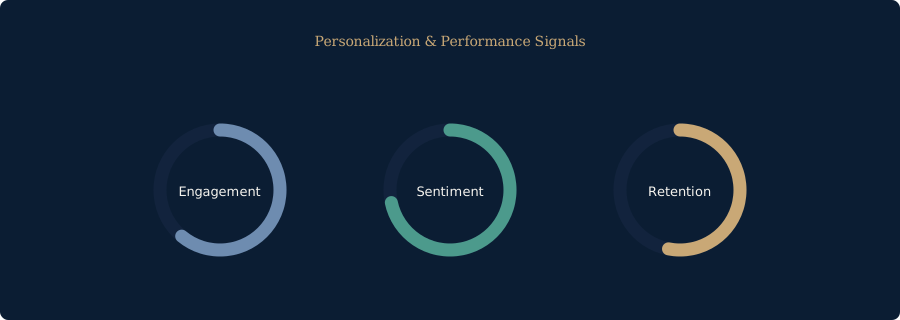
AI algorithms shape personalized viewing experiences by analyzing user behavior, preferences, and real-time interactions. Recommendation models combining collaborative filtering, content-based filtering, and reinforcement learning surface relevant titles per user, while dynamic homepages, personalized carousels, and predictive autoplay adjust based on individual profiles. Thumbnail and title optimization tools test visual and textual assets across audiences to boost click-through and watch rates. These systems reduce churn, extend watch time, and improve satisfaction by making discovery intuitive and aligned with each viewer's mood and context.
6.2 Sentiment Analytics
AI-powered NLP tools turn audience feedback into actionable emotional data. Platforms like Canvs.ai and Brandwatch scan social platforms, forums, and reviews to assess tone, trending sentiments, and viewer affinity for characters or storylines, enabling early flagging of negative sentiment for proactive narrative or marketing adjustments. Localization-sensitive models detect sentiment nuances across languages and dialects, refining creative adaptation per territory.
6.3 Performance Forecasting
AI models assist in predicting how content will perform before and after launch. Pre-greenlight forecasting models genre, cast, script metadata, and market analogs to estimate viewer engagement potential, ROI, and franchise viability, while release timing optimization analyzes audience trends, competing releases, and regional events to identify optimal launch windows. Post-launch trajectory modeling uses real-time viewing data to refine marketing, licensing, or renewal strategies dynamically.
6.4 Real-Time Engagement Tracking
Integrated analytics platforms track every interaction to understand what works and what doesn't. Micro-behavior analysis of scroll patterns, drop-off points, and binge habits provides a live view of user flow and friction points, while cross-platform stitching unifies engagement insights across mobile, web, and smart TVs, and performance dashboards support faster decision cycles.
6.5 Feedback Loop Automation
AI closes the gap between audience response and internal team decisions by connecting data insights directly to execution. Writers receive real-time cues about pacing or character reception, underperforming content cues may inform runtime or structure revisions, and marketing teams gain insight into which hooks or themes to push in new promotional waves.
Real-World Examples
Netflix uses reinforcement learning to test hundreds of thumbnail variants per user. Shahid uses AI to dynamically build personalized homepages based on language preference and genre affinity. YouTube deploys deep neural networks for its recommendation engine, tailoring autoplay and "Up Next" suggestions per user. HBO Max uses audience sentiment clusters to identify which subgroups respond best to niche titles, then tailors future promotion accordingly. Amazon Prime uses early sentiment analysis from pilot episodes to greenlight, delay, or cancel future seasons.
Challenges & Considerations
- Filter bubbles: excessive personalization can limit content exposure and creative diversity.
- Data privacy and consent: platforms must comply with GDPR, CCPA, and other regulations while building user trust.
- Sentiment ambiguity: AI may misread sarcasm, coded speech, or culturally specific emotions.
- Creative risk aversion: predictive models can unintentionally discourage innovation or boundary-pushing content.
Impact
When seamlessly integrated, AI personalization and performance analytics create a closed-loop performance engine. Viewers discover content they love faster, studios adjust in near real time, and creative and commercial strategies become audience-aligned and insight-driven, maximizing both emotional connection and business return.
AI-Powered Rights Management, Metadata Governance & Compliance
Automating Content Governance, Legal Integrity, and Quality Control through AI
AI is transforming media governance by automating rights tracking, enhancing metadata structure, and enabling real-time compliance and quality assurance across the content lifecycle, ensuring legal clarity, regulatory adherence, and production integrity at scale.
7.1 Rights Tracking & Intellectual Property Management
AI platforms such as Rightsline, BeBanjo, and FilmTrack streamline the complexity of IP and licensing across borders and platforms by automating contract clause interpretation, including exclusivity, usage limits, and renewal terms, tracking rights by geography, language, platform, and release window, and enabling real-time alerts on territory conflicts or expiring sublicenses. This reduces human error, prevents over-distribution or under-utilization of assets, and optimizes licensing ROI while maintaining legal security.
7.2 Compliance Auditing & Regulatory Risk Mitigation
AI-enhanced compliance tools scan and evaluate content pre-release, identifying regulatory violations such as product placement rules or misinformation, cultural and ethical sensitivities in visuals or language, and technical standards adherence such as loudness levels and accessibility tags. Platforms like KAIROS, Clearcast AI, and Qumulo offer automated, multi-jurisdictional checks tailored to region-specific broadcast codes including FCC, Ofcom, CSA, and GCC standards, mitigating reputational damage and accelerating approvals.
7.3 AI in Quality Assurance & Production Oversight
AI is increasingly embedded into quality assurance workflows, running frame-by-frame technical audits to detect glitches or color inconsistencies, scanning sound fidelity and subtitle timing, and validating creative guidelines against studio or platform-specific requirements. Integrated QA agents allow continuous monitoring and real-time feedback between dailies and final cuts, reducing quality-related rework and delays.
7.4 Metadata Generation, Archival Structuring & Discoverability
Metadata is the backbone of discoverability, reusability, and compliance. AI tools like GrayMeta, Veritone, and AWS Rekognition auto-tag content using face recognition, object detection, emotion analysis, and contextual keywords, standardize metadata schemas across projects and legacy archives, and enable semantic search across media libraries for legal, editorial, or sales reuse, improving operational efficiency and monetization potential through structured, accessible libraries.
Real-World Examples
Warner Bros. uses AI for both rights lifecycle tracking and compliance scanning across more than 100 territories. YouTube's Content ID automates copyright detection and policy enforcement at global scale. Netflix and Prime Video deploy AI to ensure internal production compliance with regional standards and technical delivery specs.
Challenges & Considerations
- Contractual language complexity still requires human-AI hybrid review in nuanced IP deals.
- Global jurisdictional variance demands frequent localization and legal training of AI models.
- False positives in compliance scanning can delay publishing or generate unnecessary internal reviews.
- Legacy metadata and system silos hinder implementation unless normalization and training are prioritized.
Impact
AI enables a proactive, intelligent content governance model, seamlessly linking rights visibility, technical accuracy, and regulatory compliance. The convergence of metadata structure with compliance frameworks enhances audit-readiness, content safety, and monetization reach, empowering studios to scale globally with confidence, precision, and speed.
Distribution Strategy & Revenue Optimization
Turning Content Libraries into Strategic Assets through AI
AI transforms distribution from a static, reactive sales function into a dynamic, intelligence-led revenue engine. By decoding platform behaviors, market signals, and buyer tendencies, AI agents optimize content placement, pricing, and timing across global markets with precision, maximizing monetization while reducing waste.
8.1 AI-Powered Market Intelligence & Target Matching
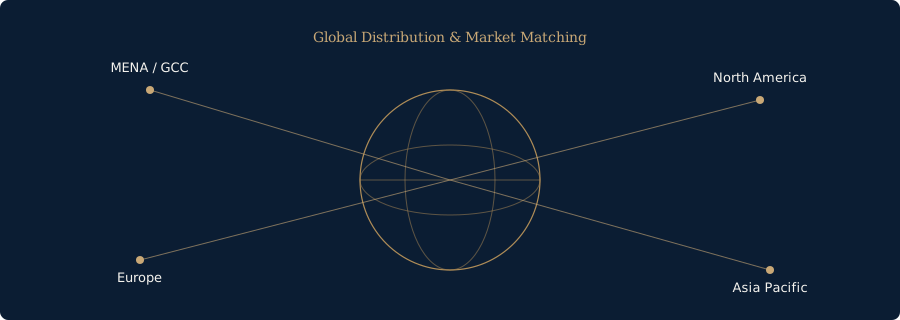
AI systems synthesize internal performance data with external market indicators, including cross-platform viewing trends, regional genre affinity, buyer acquisition patterns, and competitive release slates, to identify where content will resonate best. This intelligence guides territorial targeting, platform and buyer matching, and pitch customization highlighting the value drivers unique to each market.
8.2 Forecasting Deal Value, Risk & Monetization Potential
Advanced predictive models simulate revenue expectations per title and platform, optimal monetization windows per region, license valuation scenarios based on cast, IP, and delivery format, and ROI projections based on historical deal structures, driving smarter deal structuring, franchise packaging, and revenue-share models, particularly for emerging platforms or niche IP.
8.3 Smart Sales Pipeline Optimization & CRM Integration
AI-enhanced CRM tools automatically align available content with current buyer mandates, identify priority leads based on prior deal velocity and interest, recommend optimal follow-up timing based on behavioral signals, and alert teams to licensing gaps in territories with no current coverage, improving sales team efficiency and reducing revenue leakage.
Real-World Examples
Sony Pictures and Lionsgate use predictive analytics to inform platform-specific release timing and pricing per region. Endeavor Content applies AI modeling to optimize international pre-sales and co-production structures by forecasting regional demand. BBC Studios uses market-specific AI targeting to license niche content to FAST platforms with tailored AVOD monetization strategies.
Challenges & Considerations
- Data limitations: incomplete consumption data or closed platform ecosystems may limit insights.
- Sales relationship dynamics: human trust and negotiation still play an essential role; AI should augment, not replace, personalized deal-making.
- Model calibration: continuous tuning is needed to reflect market shifts, regional shocks, or genre fatigue cycles.
Impact
AI-powered distribution strategy elevates the licensing function into a proactive, profit-maximizing discipline. It empowers content owners to monetize assets more effectively across fragmented ecosystems by ensuring strategic alignment between content properties and market demand. In a landscape shaped by globalization and platform proliferation, such intelligence is no longer optional, it is a competitive imperative.
Toward Unified Intelligence: The Imperative of Workflow Integration and Data Governance
While the AI technologies, tools, and platforms introduced across this article each offer transformative potential in their respective areas, be it ideation, production, post-production, or distribution, their true value is only realized when deployed within a unified, integrated operational ecosystem. It is no longer sufficient for systems to function independently, however advanced they may be. What is essential is seamless end-to-end workflow integration, underpinned by a robust data governance framework that connects systems, processes, technologies, and people across every phase of the content lifecycle.
Studios must move beyond fragmented, siloed infrastructures. AI agents should not only automate isolated tasks but act as an invisible orchestration layer, harmonizing editorial, production, post, HR, procurement, legal, finance, and marketing operations into one intelligent, self-adjusting nervous system. This ensures data continuity, unified reporting, predictive planning, and decision-making driven by a single source of truth. Project lifecycle management becomes real-time and adaptive, with AI detecting bottlenecks, adjusting timelines, and reallocating resources to maintain creative and financial alignment across dynamic production environments.
Most critically, financial systems such as ERP, budgeting, and procurement must be fully integrated with operational workflows and content technologies. If production resource planning tools, asset management platforms, or AI-driven editorial systems operate in silos disconnected from finance or scheduling, the result will be inefficiencies, redundancy, and operational friction. Aligning technology, data, and financial operations under one strategic architecture allows companies to deliver content faster, more cost-effectively, and at a higher quality.
Ultimately, AI should not be introduced as a patchwork of smart tools, but rather as part of a holistic content strategy, one where technology, content creation, and commercial operations are designed to work in sync. The path to operational excellence lies in this strategic alignment: where systems talk to each other, workflows flow uninterrupted, and every decision, creative, technical, or financial, is made in full context of the whole. This is the foundation for future-ready, data-driven content studios.
A New Era of Integrated Human-AI Collaboration
AI agents are no longer theoretical. They are now reshaping the media and entertainment landscape as intelligent collaborators embedded across the entire content ecosystem. From ideation and production to marketing, distribution, and archiving, these agents enhance decision-making, orchestrate workflows, and adapt in real time to shifting creative and commercial needs.
But the real transformation lies not just in adopting AI tools, but in building a unified, integrated operating model where people, processes, technologies, and data governance frameworks work in synchrony. AI agents thrive in environments where business shared services, such as production procurement, finance, legal, HR, compliance, and facilities, are not isolated back-office functions, but fully interconnected nodes in a holistic, intelligent supply chain.
The most resilient and forward-thinking media companies will be those that ensure end-to-end interoperability, where creative systems align with operational workflows, financial ERPs integrate with production planning, and data flows seamlessly across the enterprise. In this environment, AI is not just accelerating workflows, it is enabling a smarter, more agile, and accountable production culture.
This new era of storytelling belongs to organizations that embrace human and AI synergy, where strategic foresight is informed by data, creativity is amplified by automation, and operational excellence is achieved through intelligent orchestration. The future of content will not be defined by technology alone, but by how holistically and responsibly it is embedded into the very DNA of the media value chain.
Leave a Comment