November 13, 2025 · 5 min read · Media Strategy
The global media landscape is undergoing a significant transformation, with the Middle East and North Africa region emerging as a pivotal hub for media and entertainment innovation. Driven by strategic government initiatives, a youthful and digitally engaged population, and a rich cultural heritage, MENA is poised to not only capture regional markets but also challenge global industry leaders. This article explores the factors, from economic drivers to technological advancement, that position the MENA media industry for international prominence.
Market Growth and Economic Drivers
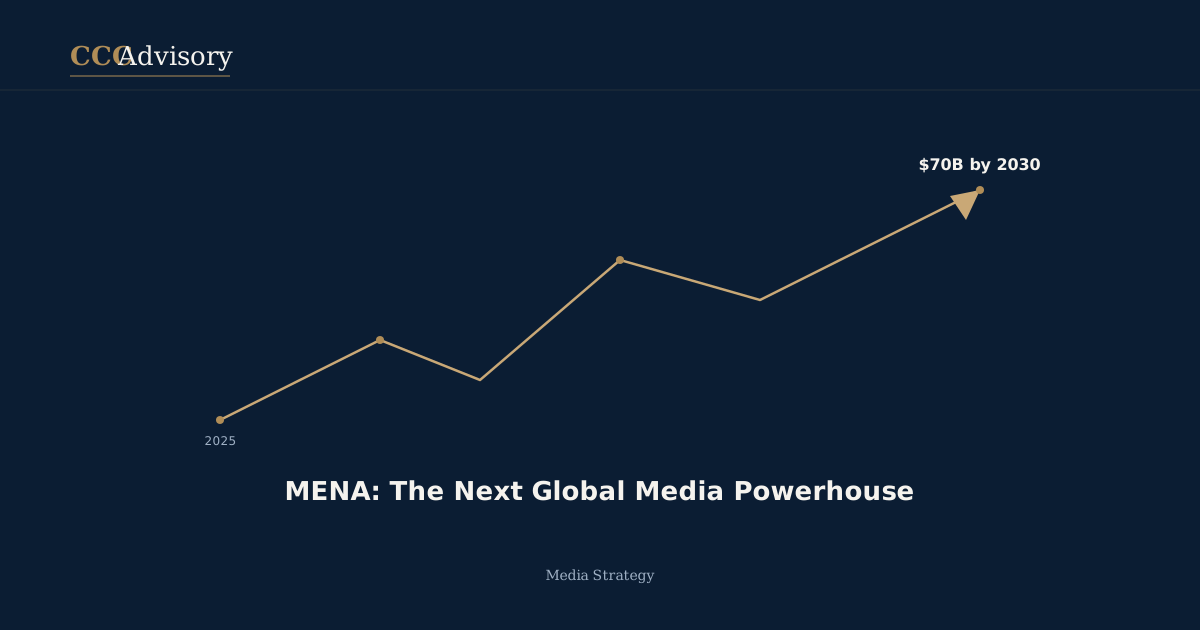
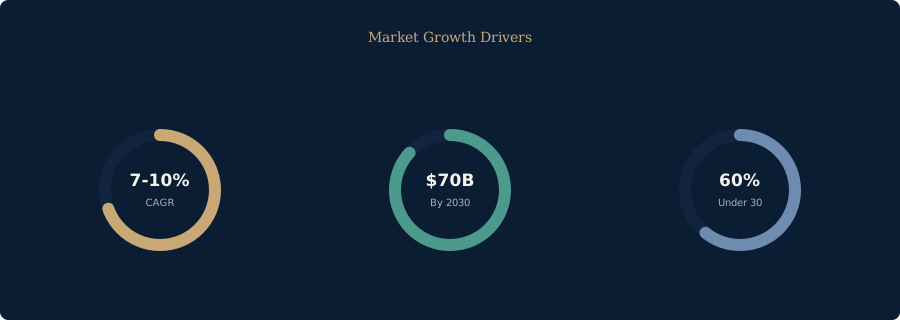
The MENA media market is experiencing robust growth, with projections indicating a compound annual growth rate between 7 and 10 percent over the next decade. Regional media and entertainment revenues are forecast to reach up to $70 billion by 2030, driven largely by increased digital consumption and economic diversification strategies.
Governments across the region are playing a pivotal role. Saudi Arabia's Vision 2030 includes a $64 billion investment plan in entertainment and cultural sectors, and the lifting of a 35-year cinema ban in 2018 spurred local filmmaking and infrastructural development. The UAE's creative economy strategies, bolstered by media hubs like Dubai Media City and Abu Dhabi's twofour54, are transforming local production capabilities.
Infrastructure and Technology Advancements
State-of-the-Art Production Hubs
Facilities like Dubai Studio City, Al Hosn Studios, and MBC Narjis Studios in Saudi Arabia provide world-class soundstages, advanced post-production facilities, and technical support for local and international projects, vital in attracting global co-productions and talent.
Digital Transformation and OTT Expansion
Regional streaming platforms such as Shahid and StarzPlay, alongside global players like Netflix expanding into the region, have driven a surge in digital consumption. Shahid VIP has captured a 22 percent market share in the MENA streaming sector, surpassing global competitors like Netflix, underscoring the region's growing appetite for digital-first media consumption.
Advanced Technologies in Production
The adoption of AI, virtual production techniques, and augmented reality is accelerating, streamlining workflows, reducing production costs, and enabling immersive storytelling formats that let MENA's media sector compete with established global industries.
Rise of Local Content with Global Appeal
MENA's storytelling tradition, rich with cultural nuance and diverse narratives, is finding new expression through modern production techniques.
Case in Point · "Hobal" and "My Driver and I"
The Saudi film "Hobal," which tells the story of a mother and her sick daughter on the eve of the first Gulf War, has resonated deeply with local audiences, earning over $6 million to date and expected to surpass the national box office record of $10.8 million. "My Driver and I" symbolizes the evolving landscape and the rise of women and diverse voices in an industry that once operated under strict constraints, reflecting the transformation of Saudi Arabia's film industry since the reopening of cinemas in 2018 and the emergence of award-winning films at festivals like the Red Sea International Film Festival.
Talent Development and Creative Workforce
With over 60 percent of the region's population under 30, MENA boasts an enormous pool of emerging talent. Universities, film schools, and creative incubators are increasingly focused on media studies and digital production, while local film competitions and government-backed training programs nurture a new generation of filmmakers, screenwriters, and digital artists. The emergence of women-led projects illustrates a broader cultural shift, challenging longstanding gender stereotypes and empowering diverse voices to tell their own stories.
MENA's Media in the Global Market
Global interest in MENA-produced content is on the rise. Strategic partnerships between regional production houses and international distributors have facilitated cross-border co-productions, elevating the global profile of local content, while major streaming platforms actively scout for fresh narratives, increasing export opportunities for Arabic-language films and series.
Beyond commercial success and entertainment formats, MENA's media ecosystem is also amplifying real human stories that resonate globally. The emotional global response to the voice of Hind Rajab, which achieved critical acclaim and recognition at the Venice Film Festival, reflects how regional narratives, grounded in authenticity and human emotion, transcend geography and language.
Gaming & Technology: A Rising Force
While traditional TV, film, and streaming remain central to the MENA media landscape, gaming and interactive technologies are emerging as key drivers of growth. The MENA gaming market is projected to reach $16.7 billion by 2025, with online games alone accounting for over $550 million, reflecting a young, digitally savvy population eager for immersive experiences.
Governments in Saudi Arabia and the UAE have recognized gaming as a strategic sector under broader economic diversification agendas, providing regulatory support, investment incentives, and infrastructure development, while mobile connectivity, cloud gaming, and 5G adoption accelerate the reach of interactive content.
For media producers, this has direct implications:
- Content IP expansion into mobile games, AR and VR experiences, and e-sports tie-ins.
- Technology-enabled workflows that accommodate multi-platform delivery, from broadcast to interactive formats.
- Localization with global potential for Arabic-language gaming content, tapping diaspora and international markets.
- Agile talent models, with freelance and project-based staffing suited to interactive production cycles.
Challenges & Roadblocks to Overcome
Despite the promising outlook, challenges persist. Regulatory constraints and content censorship continue to impede creative freedom in some markets, requiring ongoing dialogue between regulators and industry stakeholders. Monetizing digital content in a rapidly evolving market also remains a concern, with fragmented revenue models and digital piracy presenting significant obstacles to sustainable growth.
Conclusion & Future Outlook
MENA's media industry stands at the cusp of global prominence. With robust government backing, significant technological advancement, and a burgeoning pool of creative talent, the region is uniquely positioned to redefine global media narratives. While challenges such as censorship and monetization remain, the current trajectory suggests that with continued strategic investment and regulatory reform, MENA's media and entertainment sector will not only thrive locally but also assert its influence on the global stage.
The future of MENA media lies in harnessing its cultural heritage and youthful dynamism to create content that is both authentic and innovative. As digital platforms expand and international collaborations deepen, the region's creative industries are set to become a powerhouse in shaping global media trends.
Leave a Comment